Community & Networking
Join a worldwide network of liverwort learners and researchers, ask questions, find opportunities, and connect through BryoNet and more!
Forum & Discussion Boards
Connect, ask, learn, and share with the global bryophyte community.
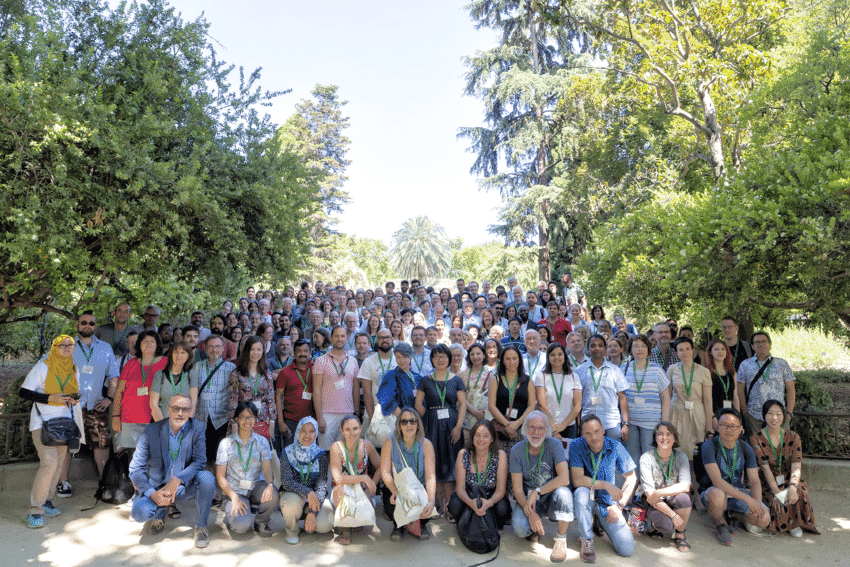
Community Network group photo at the joint conference of international association of bryologists
The Field Museum of Natural History
Bryonet (International Association of Bryologists)
A long-running, global email forum for news, questions, and discussion about bryophytes (mosses, liverworts, hornworts). Open to educators, students, researchers, and enthusiasts.
How to Subscribe
- Send an email to jmglime@mtu.edu
- Type Subscribe bryonet-L in the subject line
- Include your name (as you want), and your country/state affiliation in the message body.
Opportunities
Stay up to date on ways to get involved with liverworts and collections work:
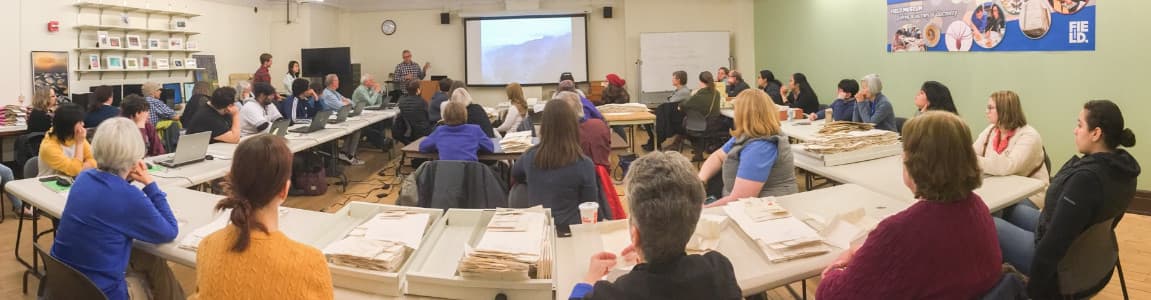
- Volunteering –Join the Collections Club at the Field Museum to help digitize specimens, sort collections, or assist with outreach. For digitization events, you can also contact wedigbio@fieldmuseum.org to participate in WeDigBio activities.
- Internships –Gain hands-on experience working alongside scientists and collections staff. The Field Museum offers internships for high school, undergraduate, and graduate students, in collections, conservation, research, education, and digital learning. Some internships are paid (highly competitive), while others may offer academic credit or funding through partner programs. More info: Field Museum Internships.
- Collaboration Projects – Connect with institutions and researchers worldwide to contribute data, images, translations, or teaching resources that help expand liverwort knowledge.
Research & Volunteer Profiles
Meet the people behind the work—scientists, students, interns, and volunteers. Profiles highlight individual interests (taxonomy, ecology, and education), recent projects, and ways to collaborate.
Did You Know?
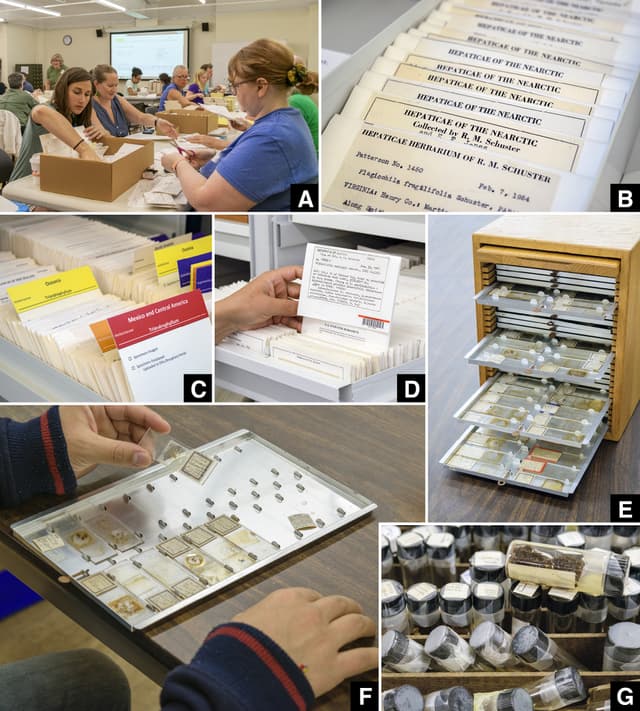
Many important liverwort records and identifications have been made thanks to volunteers and community scientists.