research Background

Research & Data

For researchers, specialists, and advanced students LivLINK provides access to the tools, references, and datasets that support liverwort taxonomy, nomenclature, and global biodiversity research.

    Research Highlights & Case Studies

    See how liverwort research connects to bigger scientific questions. These case studies bring data and taxonomy to life:
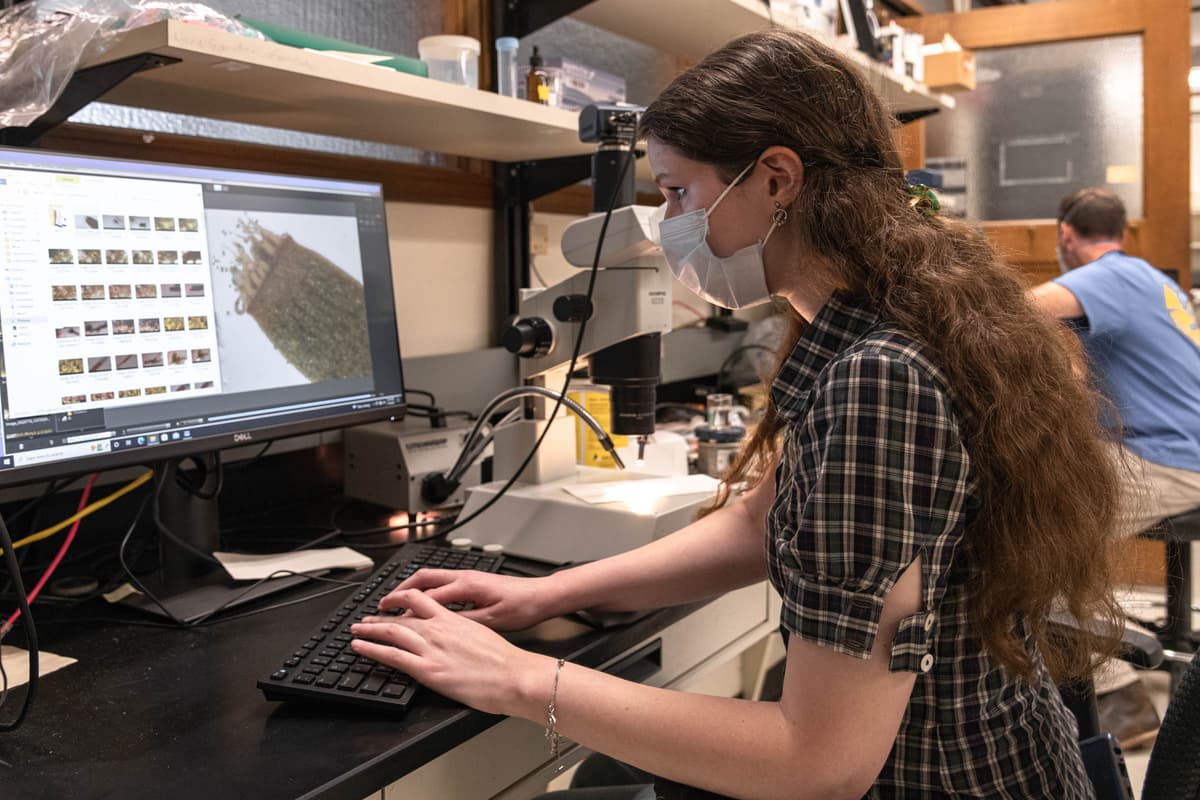
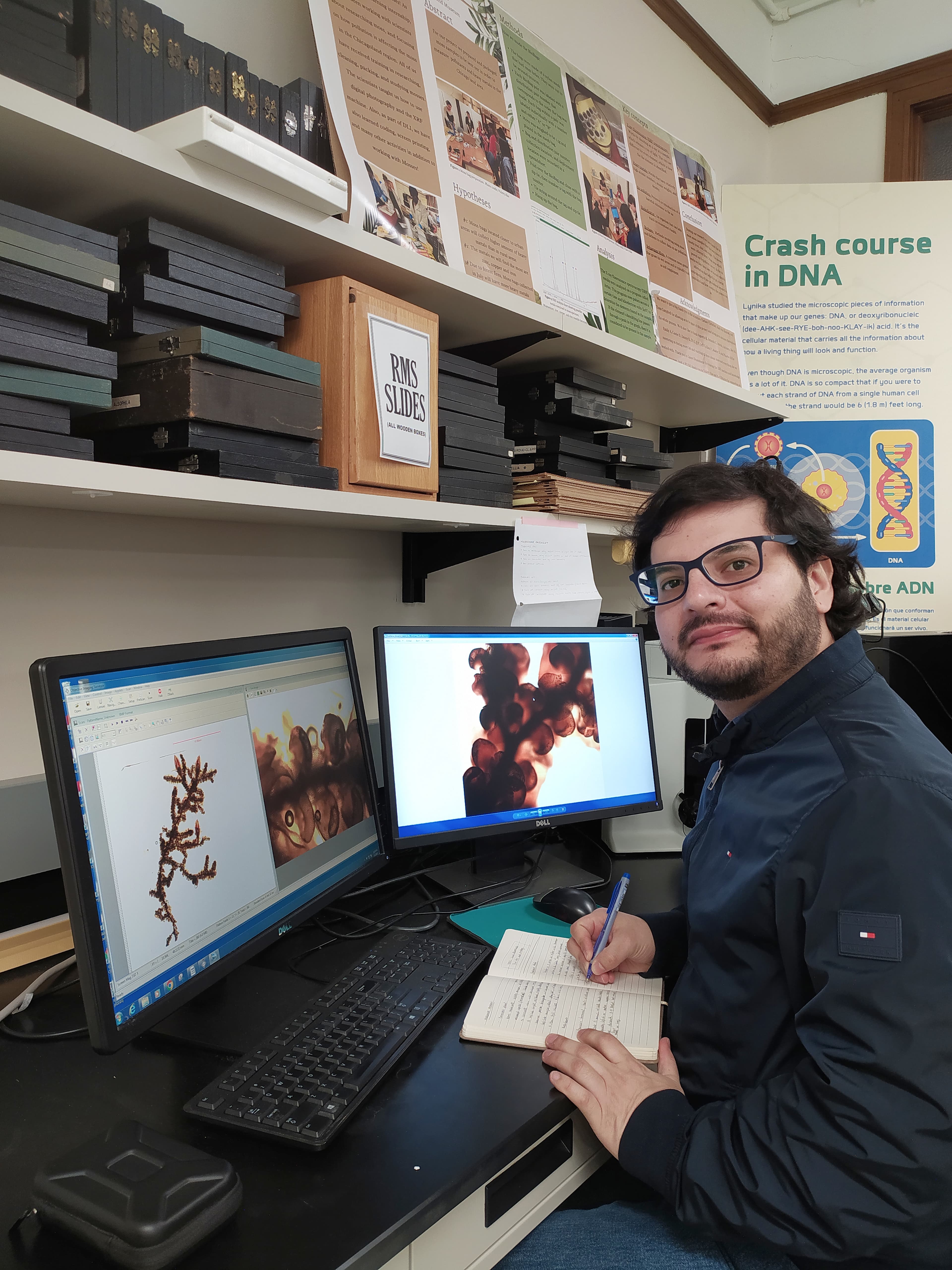
    Research Highlight: Digital imaging by Campbell of Amanda NEIU intern in lab

    Research Highlight: Digital imaging by Campbell of Amanda NEIU intern in lab

    By: T. Campbell : Northeastern Illinois University

    • Conservation: liverwort checklists identify rare and endangered species, guiding conservation priorities in biodiversity hotspots.
    • Evolutionary Biology & Ecological: phylogenetic research on model genera like Marchantia reveals how early plants adapted to life on land
    • Forensic & Applied Uses: liverworts have even been used in forensic science to help solve cases by linking plant evidence to locations.
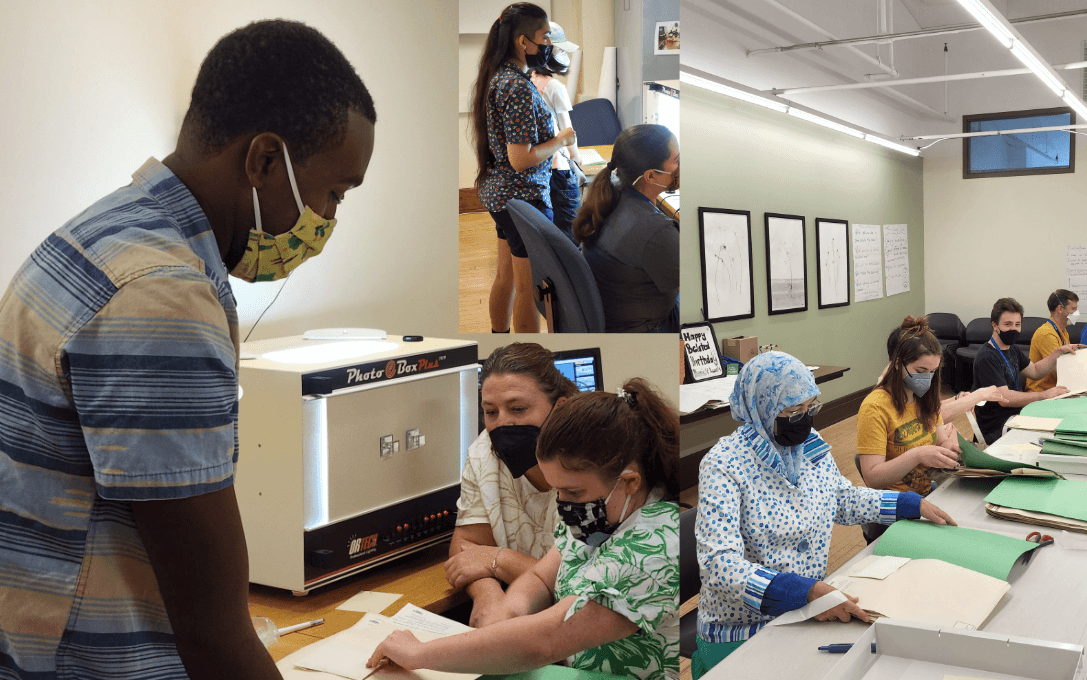
    Research Highlight: Digital imaging by Campbell of Amanda NEIU intern in lab

    By: T. Campbell : Northeastern Illinois University

    Why This Matters

    By highlighting how datasets and taxonomy are applied in practice, we show how liverwort research impacts conservation, climate science, and human society.

    Data Access

    Empowering research through open data, publications, and linked resources.

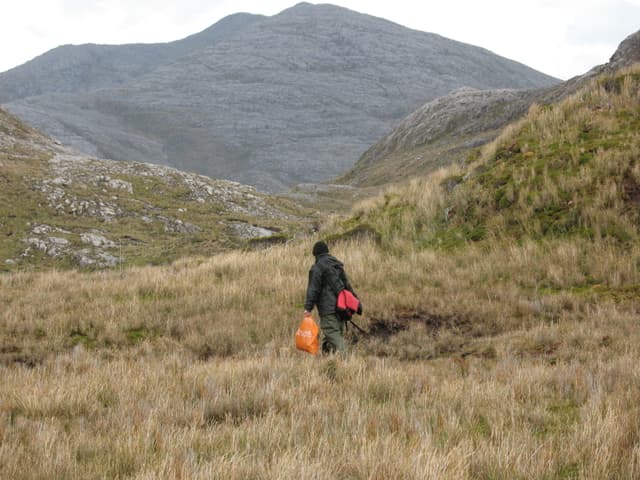
    Data Access, Collections Club 2022

    Data Access, Collections Club 2022

    By: The Field Museum of Natural History

    • Downloadable Assets – Export checklists, distribution maps, and occurrence data for analysis and modeling.
    • Linked Databases – Direct connections to biodiversity infrastructures:GBIF (Global Biodiversity Information Facility) – global occurence data.
    • iDigBio – U.S. digitized specimen portal.
    • World Flora Online – collaborative international flora resource.
    • Field Museum’s Collections Database – digitized herbarium records, labels, and images.
    • Publications –
    • Bibliography – searchable references, linked to open-access PDFs where possible
    • Field Museum Papers & Partner Resources – organized by taxonomy, ecology, and collections research.

    Data Access, Collections Club 2022

    By: The Field Museum of Natural History

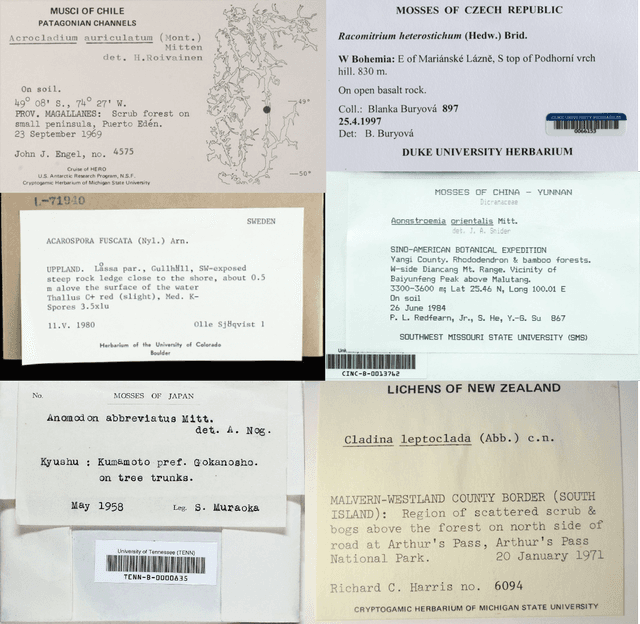
    Research Label Collage
    Pro Tip!

    Always cite both the data portal (e.g., GBIF, Bryophyte Portal) and the original source collections when using datasets.

    Taxonomy Hub

    The central resource for liverwort classification and identification.

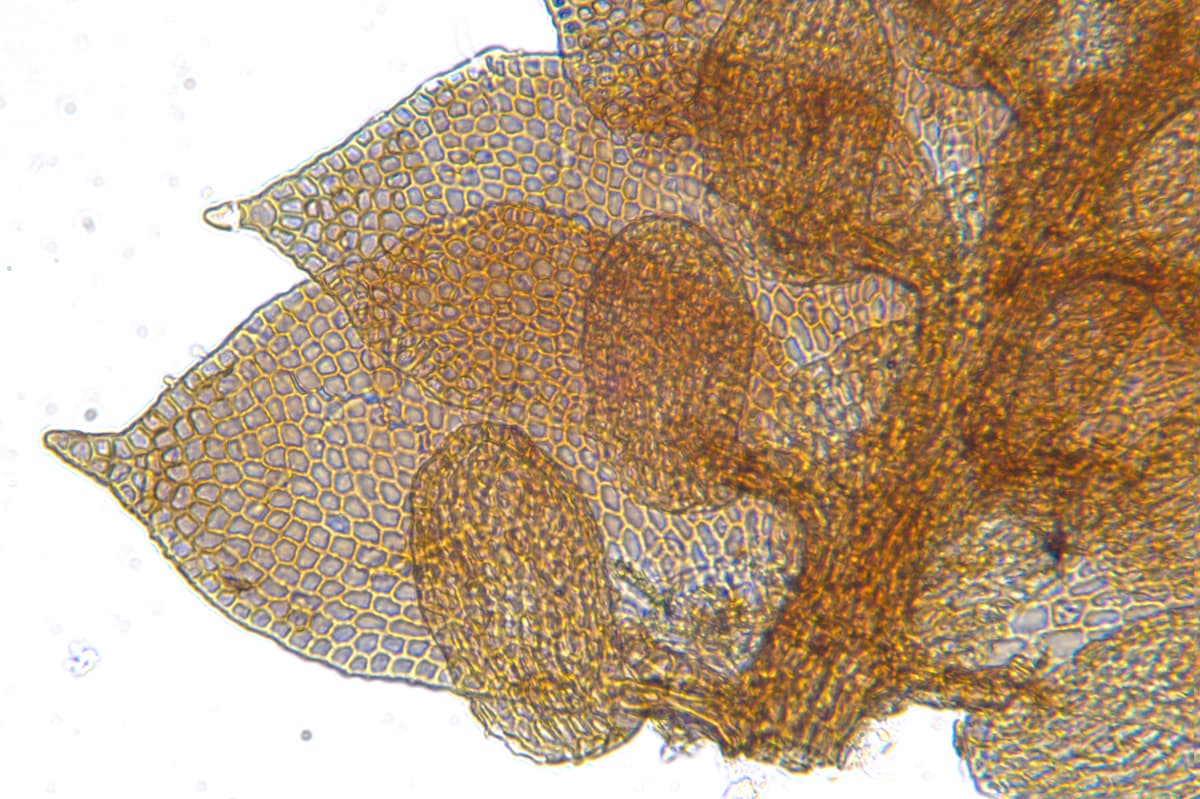
    Taxonomy hub: Frullania apiculata, von Konrat 21736, Cook Islands

    Taxonomy hub: Frullania apiculata, von Konrat 21736, Cook Islands

    By: M. von Konrat : Field Museum of Natural History - Botany Department

    • Checklists & Species Pages – Curated species checklists and profiles with details on morphology, distribution, ecology, and references.
    • Nomenclature & Synonymy Tool – Searchable database of synonyms, basionyms, and accepted names, linking to original publications and type specimens where possible.
    • Keys & Identification Resources – Digital and interactive keys, plus region-specific floras and high-resolution illustrations to aid in accurate identification.

    Taxonomy hub: Frullania apiculata, von Konrat 21736, Cook Islands

    By: M. von Konrat : Field Museum of Natural History - Botany Department

    Did You Know - Blanka, Research Picture 071
    Did You Know?

    New liverwort species are described every year, often from regions that are still underexplored.