What Are Liverworts?
Liverworts are some of the oldest land plants on Earth, appearing more than 400 million years ago. They’re tiny green plants you might walk past without noticing—like leafy mats on logs, or flat green ribbons clinging to damp rocks.
Life Cycle
The dominant generation in liverworts is the gametophyte, which produces gametangia (antheridia and archegonia). Fertilization requires free water for motile sperm to reach the egg within the archegonium. The resulting zygote develops into a sporophyte, a short-lived, nutritionally dependent structure composed of a foot, seta, and capsule. Spores produced meiotically are dispersed, germinating to form new gametophytes. Elaters, hygroscopic cells unique to liverwort sporophytes, aid in spore release and dispersal.

Sporophyte and gametophyte of the liverwort genus Schistochila
By: The Field Museum of Natural History
A liverwort’s life has two repeating stages:
- The green plant stage (gametophyte): This is the liverwort you see in the forest or garden—a tiny leafy mat or flat green strip
- The spore-making stage (sporophyte): After a rain, sperm swim through water to reach eggs. A little stalk with a capsule grows on the parent plant. Inside the capsule are thousands of spores.
- Back to the start: The capsule bursts open, releasing spores into the air. Each spore can grow into a brand-new liverwort—if it lands in the right spot!
Sporophyte and gametophyte of the liverwort genus Schistochila
By: The Field Museum of Natural History
Did You Know?
- Some liverworts are so small you’d need a hand lens to spot them.
- The largest liverworts, in the tropics, can grow up to 20 cm across!
Ecology
Liverworts occupy diverse terrestrial and epiphytic niches worldwide, from arctic tundra to tropical rainforests. Ecologically, they:
- Stabilize soils and substrates by forming mats that reduce erosion
- Regulate moisture by retaining water and influencing hydrological cycles
- Create microhabitats for fungi, cyanobacteria, tardigrades, and invertebrates
- Serve as bioindicators due to their sensitivity to pollutants, habitat disturbance, and climate change
- Paleobotanical evidence also shows that early liverworts contributed to atmospheric CO₂ drawdown during the Paleozoic, influencing global climate
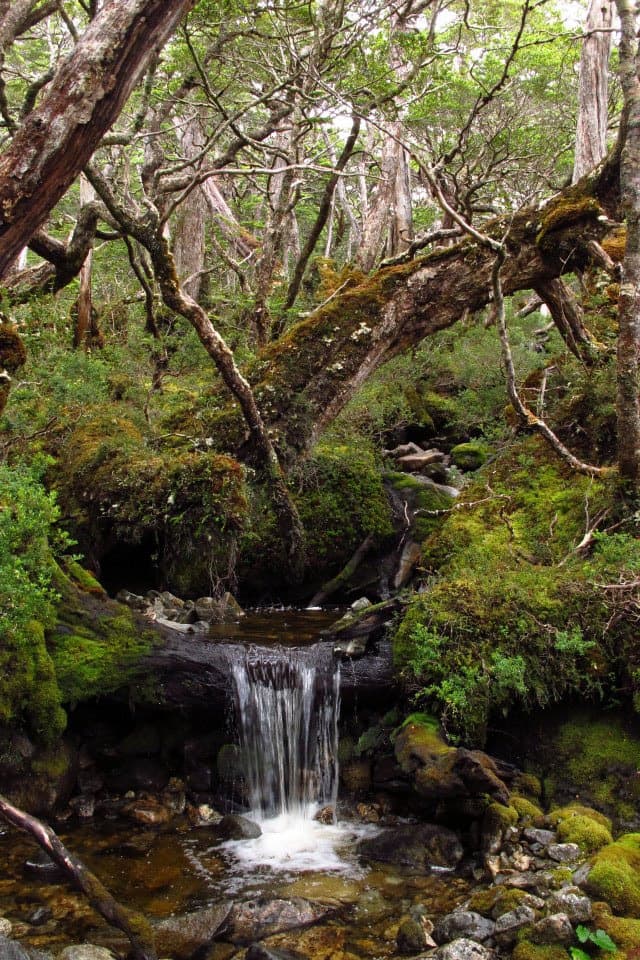
Ecology - Isla Darwin, January 2012
By: J. Larraín
Even though they’re small, liverworts are ecosystem superheroes:
- They hold soil in place and stop it from washing away.
- They soak up water like sponges, keeping forests and streams healthy.
- They create tiny homes for bugs, microbes, and even water bears (tardigrades!).
- Because they’re sensitive to pollution and climate change, scientists use them as “canaries in the coal mine” for ecosystem health.
Ecology - Isla Darwin, January 2012
By: J. Larraín
Did You Know?
- Some liverwort capsules open explosively, flinging spores into the air.
- A single capsule can release tens of thousands of spores
- Liverwort sperm actually swim—they need a thin film of water like a tiny pool!
Why They Matter
Liverworts, though morphologically simple, fulfill a variety of ecological and scientific roles:
- Ecosystem Services – Forming mats that stabilize soil and regulate moisture, they reduce erosion and influence hydrology
- Carbon and Climate – Fossil and experimental evidence suggests that early bryophytes, including liverworts, enhanced silicate weathering, contributing to atmospheric CO₂ drawdown during the Paleozoic
- Bioindicators – Owing to their high surface-area-to-volume ratio and lack of protective cuticle, liverworts are sensitive to pollutants, habitat disturbance, and microclimatic change
- Scientific Models – Genera such as Marchantia serve as model organisms in evo-devo and molecular research, illuminating the genetic basis of land plant evolution
- Cultural/Ethnobotanical Uses – While less prominent than other plant groups, liverworts have been used in traditional medicine and are culturally significant in some regions
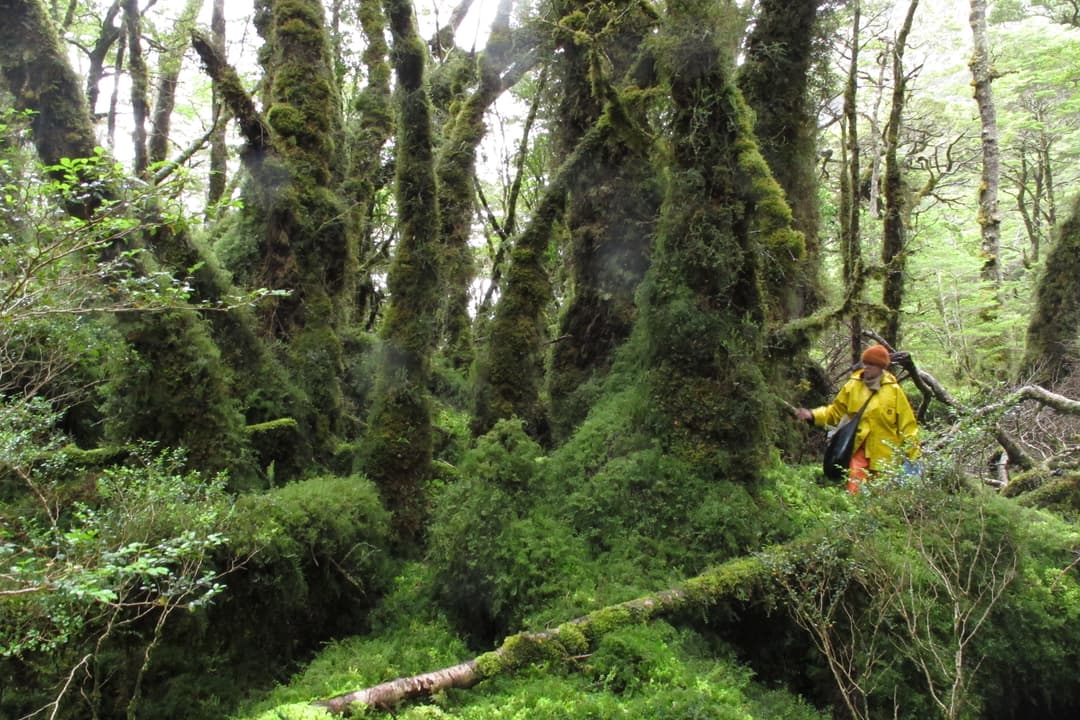
Why Liverworts Matter
By: The Field Museum of Natural History
Liverworts may look small, but they’re mighty when it comes to helping our planet and people:
- Nature’s Sponges – They soak up water and keep soil from washing away
- Climate Helpers – Millions of years ago, liverworts helped cool the planet by pulling carbon dioxide out of the air.
- Pollution Detectors – Scientists use liverworts as “living sensors” because they’re super sensitive to changes in air and water.
- Tiny Teaching Tools – Because they’re simple but ancient, liverworts help researchers unlock the story of how plants first conquered land.
Why Liverworts Matter
By: The Field Museum of Natural History
Did You Know?
- Fossil evidence suggests liverworts helped cool Earth’s climate millions of years ago.
- Some species grow only in the cleanest mountain air, making them great pollution detectors.
Classroom Resources
Bring liverworts into your classroom with ready-to-use lessons, teacher tools, and playful activities. From worksheets and modules to scavenger hunts, badges, and virtual explorations—discover creative ways to make liverworts come alive for students of all ages.
Media Gallery
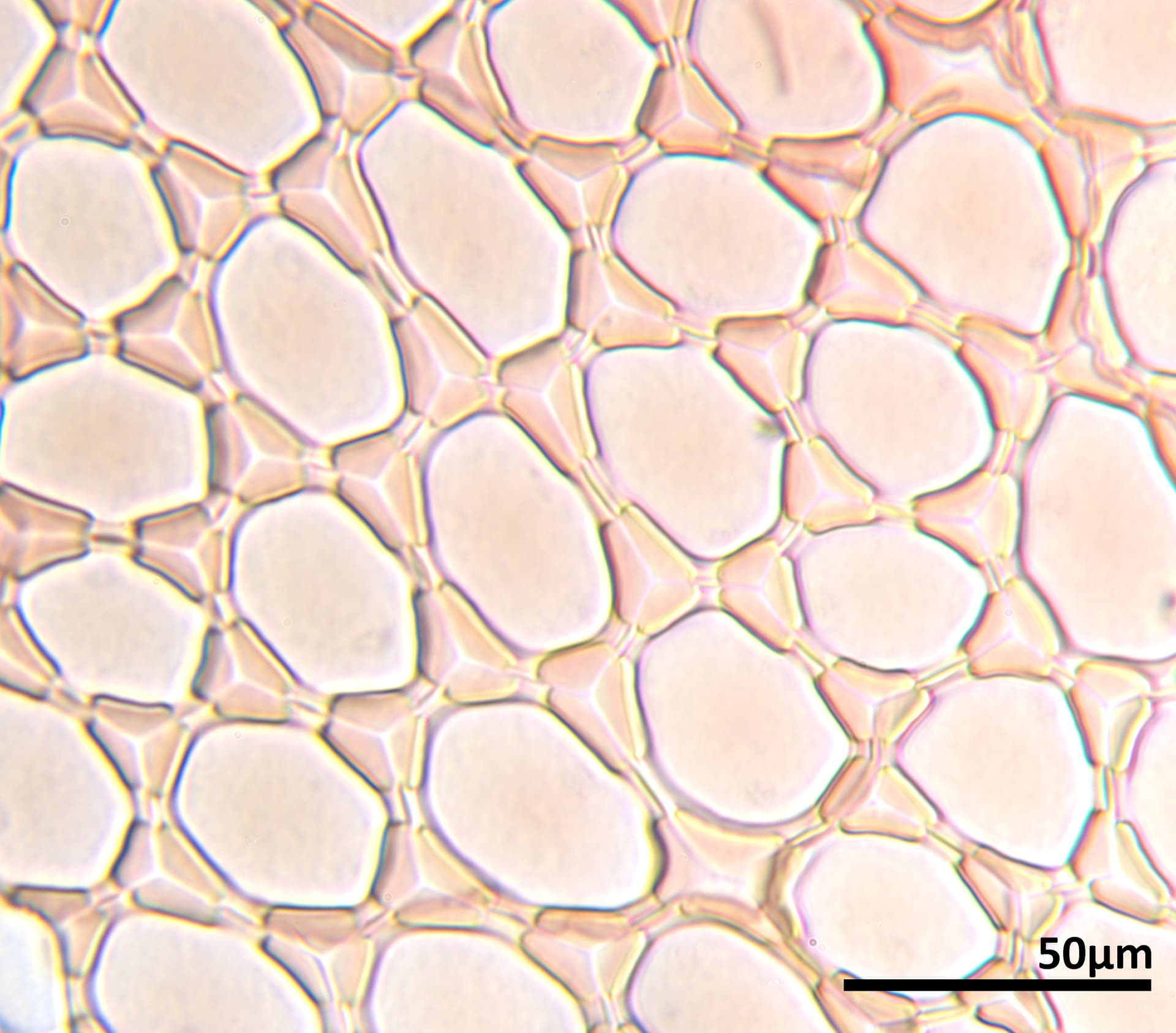

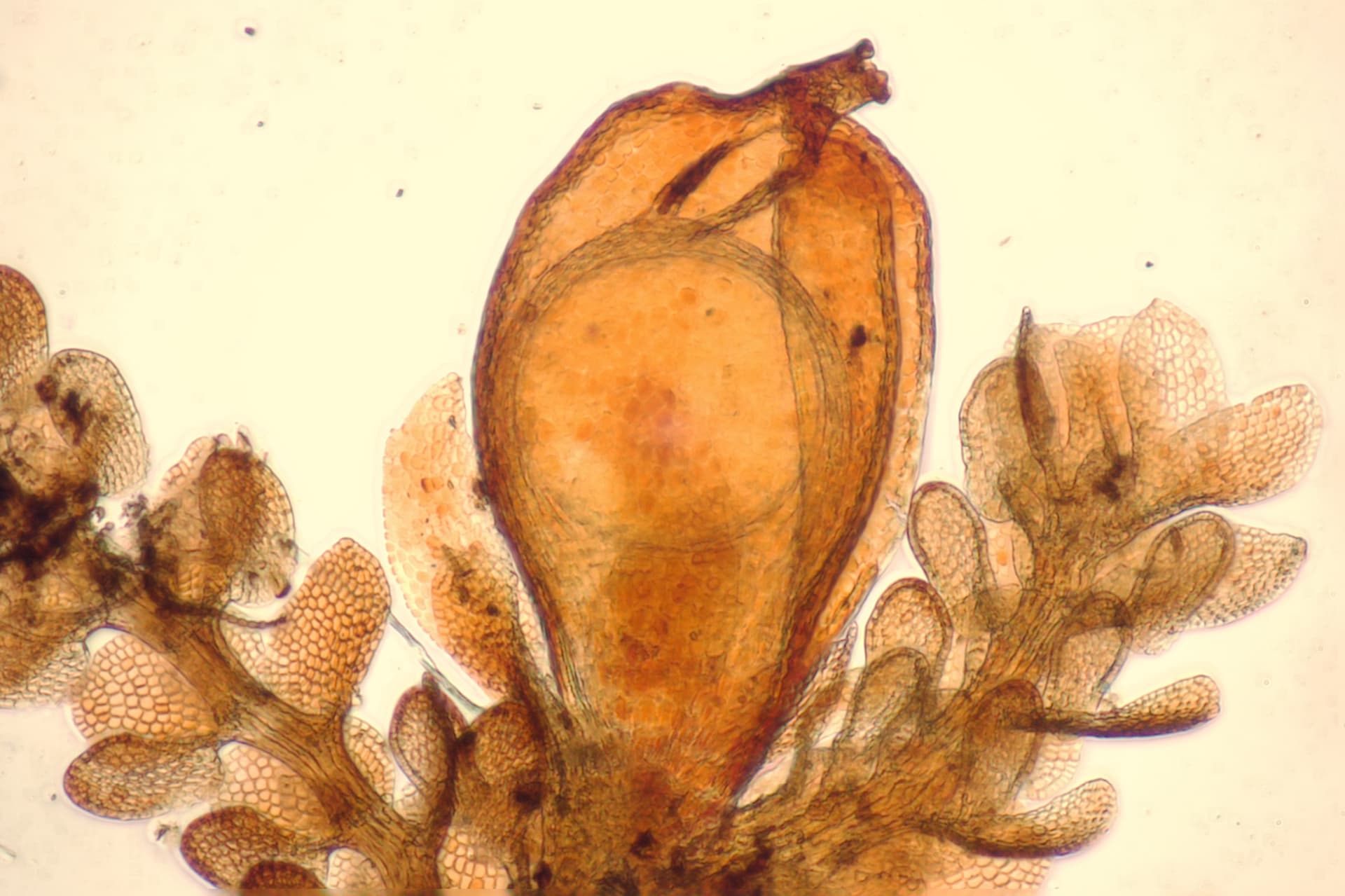
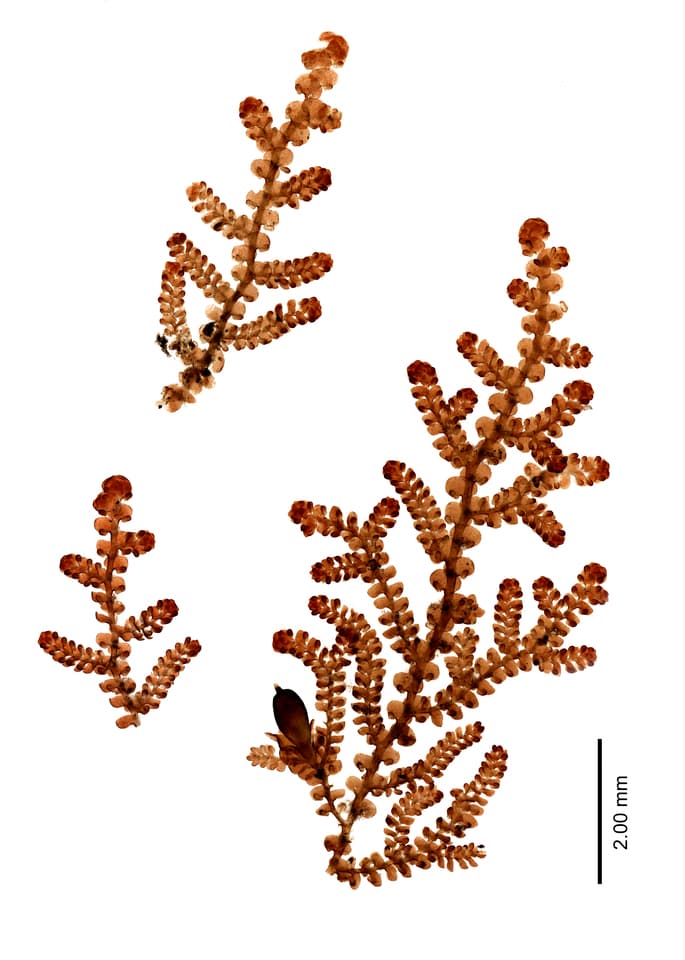
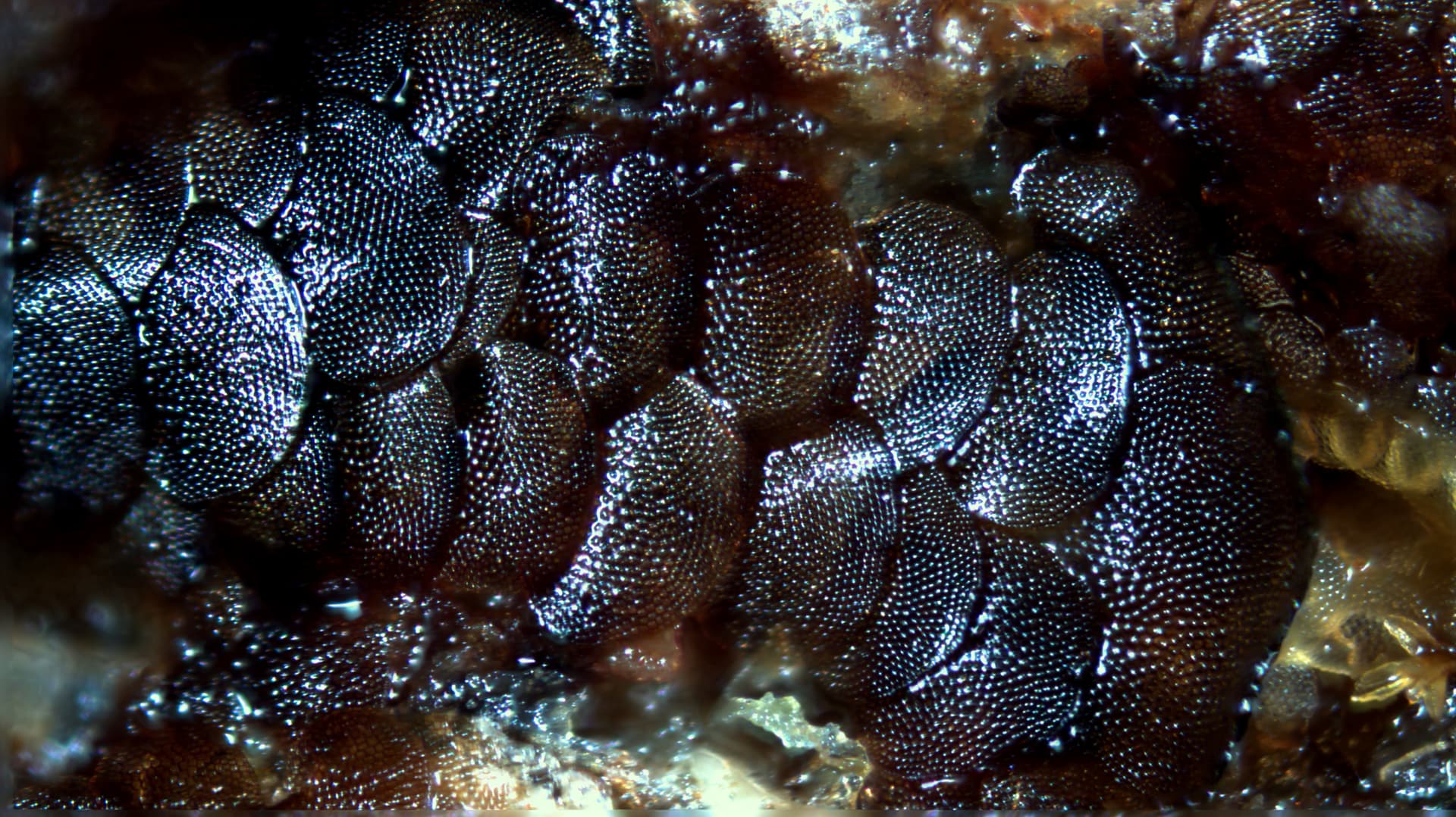
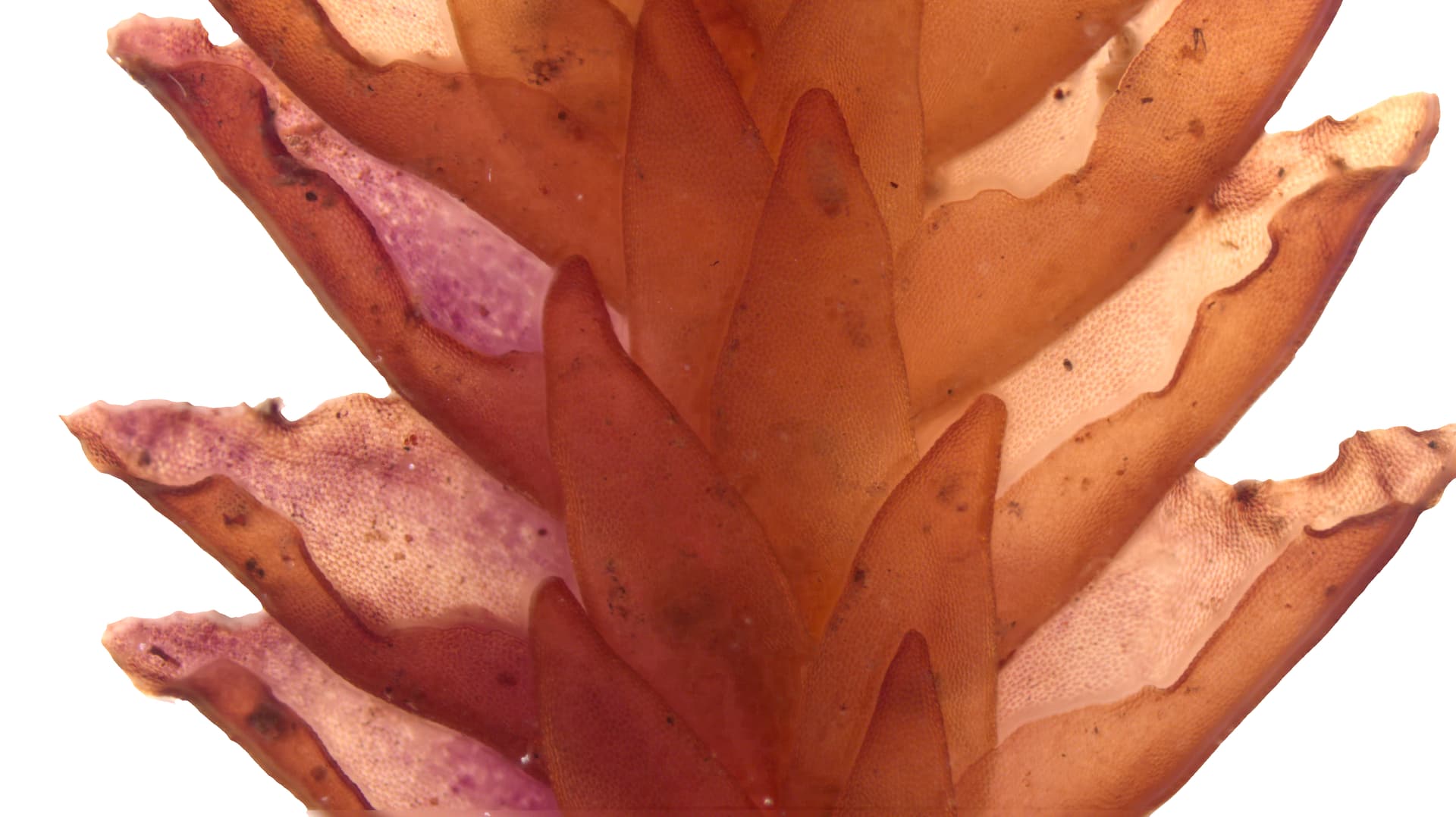
Median cells of the leaf-lobe of the liverwort genus Pleurozia
Photo Credit: M. von Konrat : Field Museum of Natural History - Botany Department