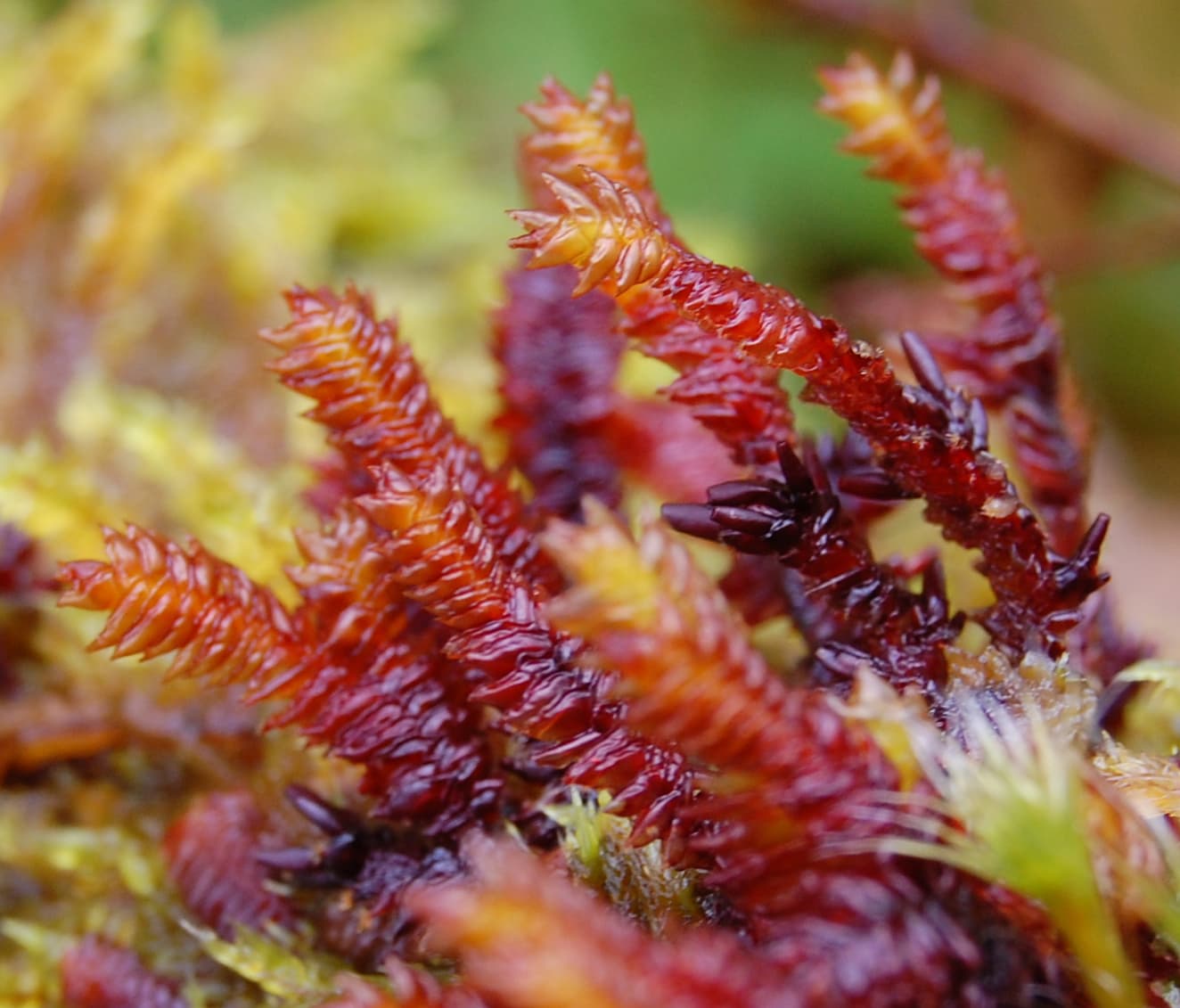
Explore LivLINK
Discover liverworts through time, space, and scale.
The Explore section takes you on a journey into the hidden worlds of liverworts: their evolutionary story, their global diversity preserved in collections, and the microscopic details that make each species unique.
Why Explore?
Together, these tools help us see liverworts in three dimensions:
- Across Time(Evolution Timeline
- Across the Globe(Specimen Explorer
- At the Microsopic Scale(Microscopic Morphology
Exploring liverworts in these ways brings us closer to understanding how the smallest of plants make a big impact on the history of life and the health of ecosystems today.
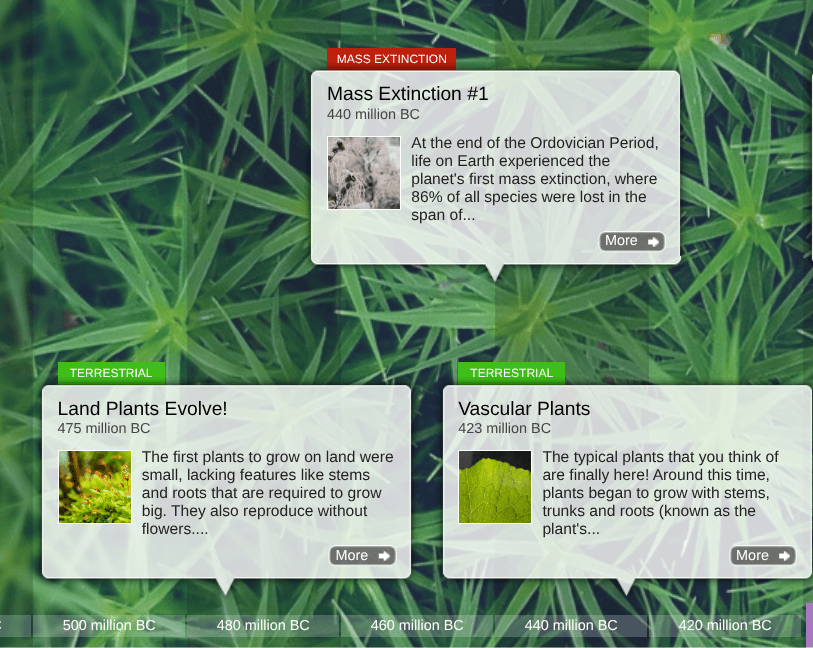
Evolution Timeline
The Field Museum of Natural History
Travel through time to see when liverworts and other plants first appeared on Earth. Our interactive Evolution of Plants Timeline uses fossils, molecular evidence, and phylogenies to illustrate the story of plant evolution across more than 400 million years.
Evolution Timeline
By: The Field Museum of Natural History
Dive into the Field Museum’s Bryophyte Collections, one of the largest in the world, with more than 200,000 bryophyte specimens documented. The Specimen Explorer links directly to our digitized catalog:
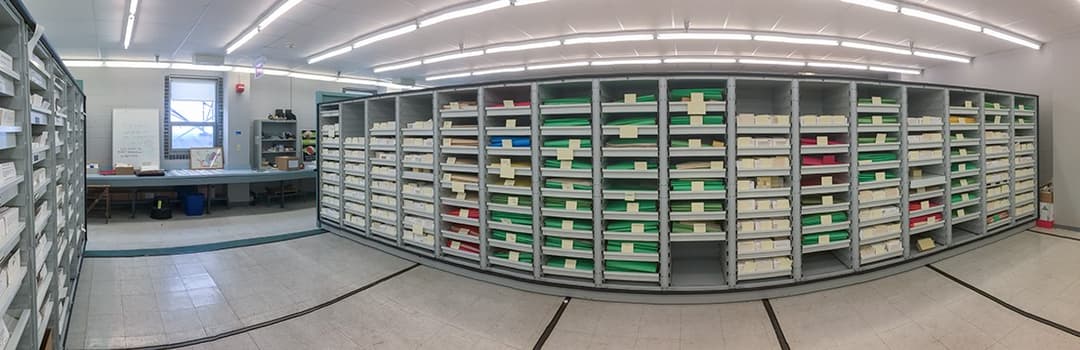
Specimen Explorer, 2019-06-22
By: R. Salm : Field Museum of Natural History - Botany Department
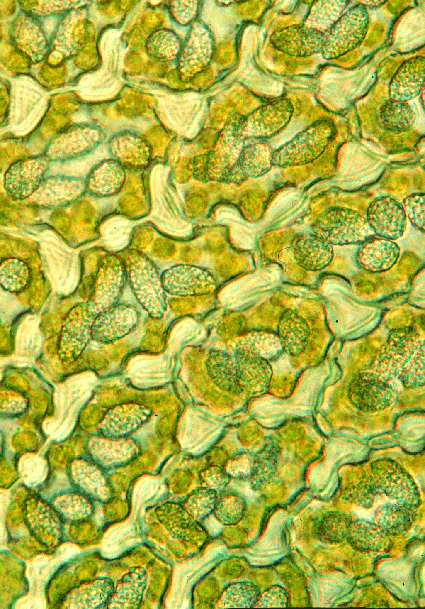
Discover the hidden beauty of liverworts at the microscopic level. Using high-resolution images, explore the diversity of tiny structures—leaf cells, oil bodies, underleaves, and reproductive organs—that make each species unique. These fine details are essential for identification and provide clues to how liverworts have adapted to different environments over millions of years.
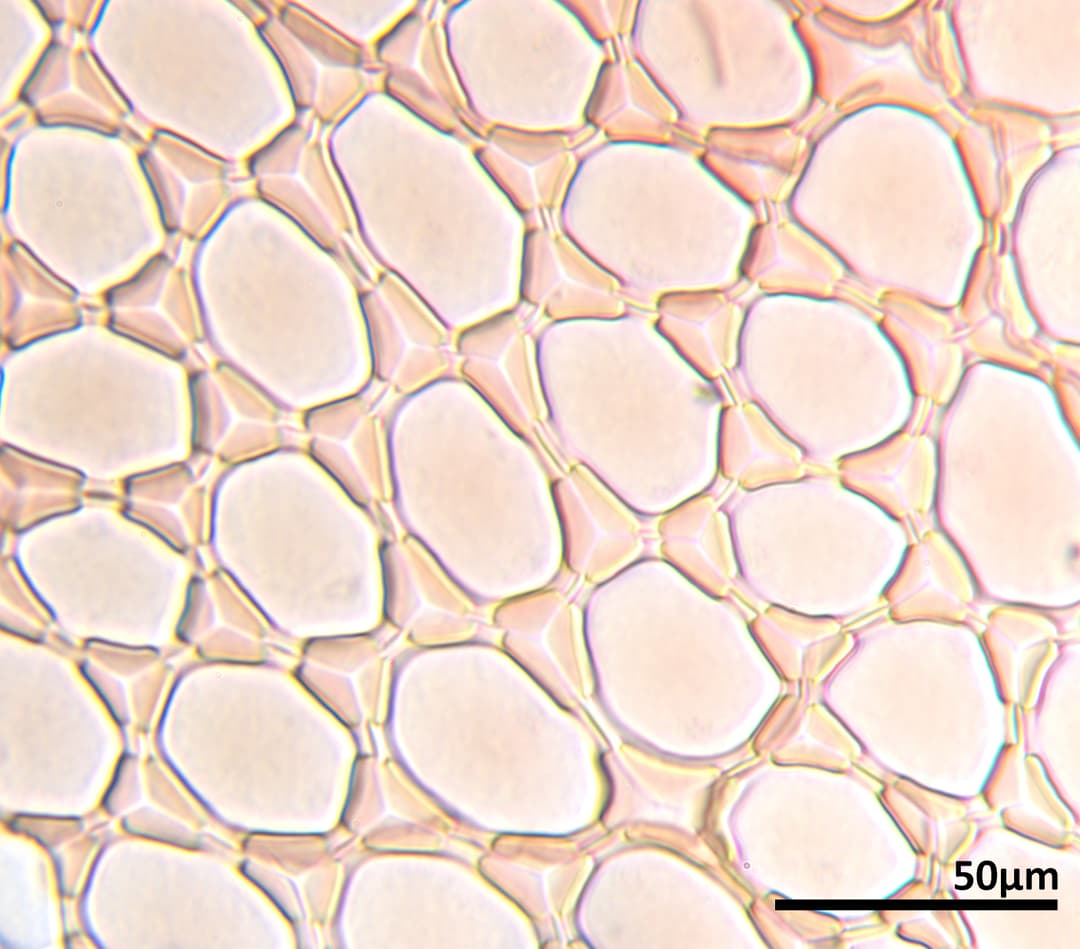
Median cells of the leaf-lobe of the liverwort genus Pleurozia
By: M. von Konrat : Field Museum of Natural History - Botany Department
Did You Know?
Some liverwort cells contain specialized “oil bodies” that are found in no other plant group. These contain chemicals that have many interesting biological properties such as activity against microbes.